
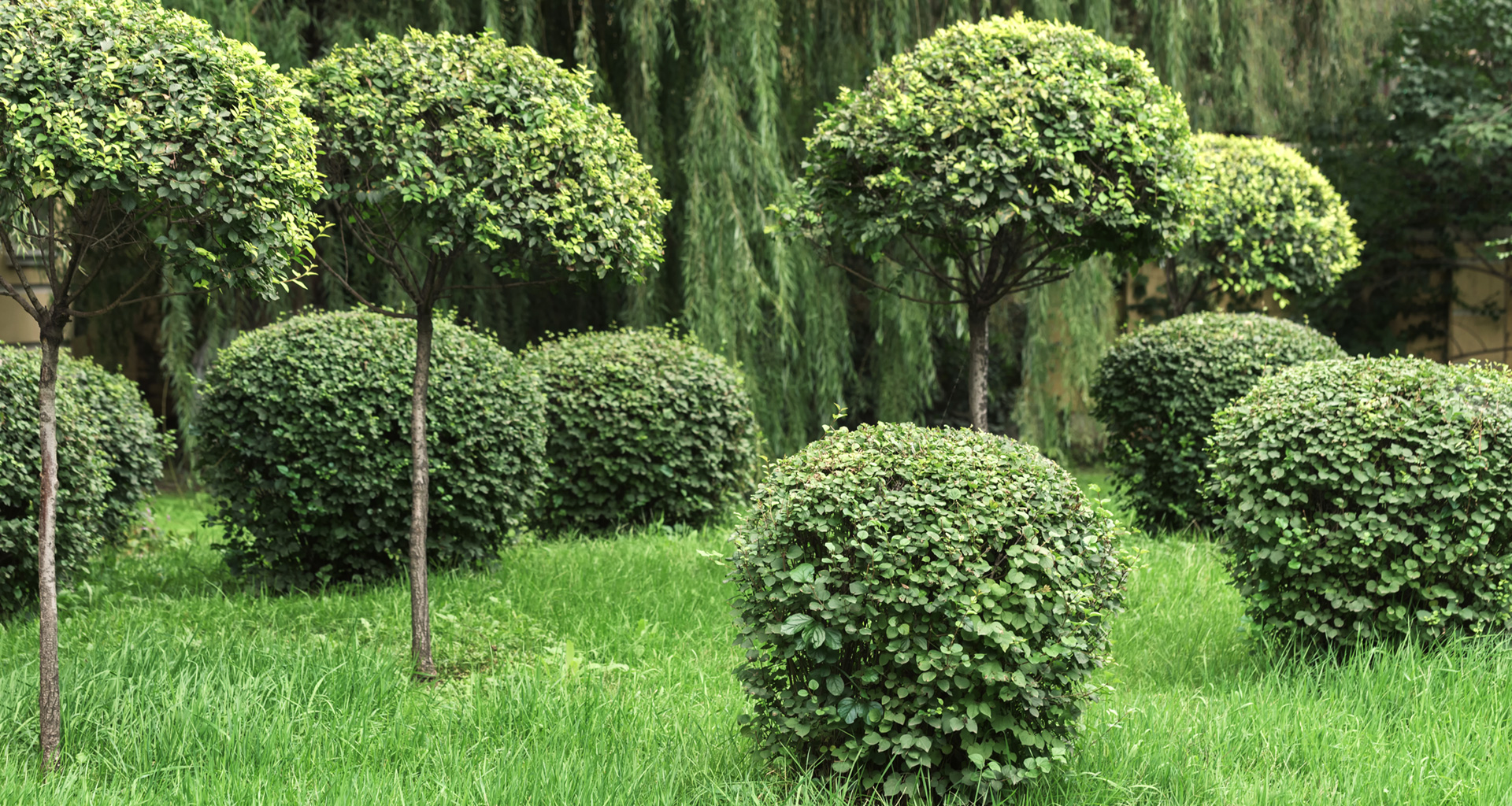
However, fast-growing tropical trees can also turn into constant headaches if they’re not planned properly, leading to blocked signage, roots lifting tiles, branches dropping in storms or shrubs that constantly outgrow their space.
At Nature Landscapes, we work with developers, managing agents and public agencies to implement and maintain landscapes that fit their sites long-term, not just look good on opening day. That starts with a simple but powerful principle. Right plant, right place.
This article breaks down why this matters and what you should look out for as a property owner or manager.
We will cover:
The idea itself is simple. Match each plant’s characteristics with the real conditions on site. In Singapore, some of the most important factors include:
Our tropical trees do not play. Species like Rain Tree, Angsana or Khaya can get huge. If they are planted too close to buildings, carparks or boundary walls, you will quickly run into structural, safety and maintenance issues.
Shallow, aggressive roots can crack concrete drains, lift interlocking pavers and damage underground services. On tight urban sites and along HDB walkways, this is a major concern.
High-rise blocks, multi-storey carparks and covered linkways create complex shade patterns. A shrub that needs full sun will not thrive in a permanently shaded ground floor planter.
A tree beside a playground, childcare or eldercare centre is very different from a tree beside a loading bay. You need to consider:
If your team or vendor only prunes once or twice a year, you cannot fill a narrow strip with fast-growing hedges that constantly spill over onto footpaths. Plant selection must match your available maintenance regime and budget.
When tree and shrub selection is done properly, you get:
When it is done badly, you get the opposite. Repeated hacking, constant resident complaints and avoidable rectification works.
Wherever your site is in Singapore, business park, industrial estate, condominium, healthcare campus or public housing, there are four big checks to run before saying yes to a plant list.
Do not choose based on the nursery pot size. Think in 10–20-year horizons.
What works on a wide roadside verge may not be suitable inside a compact condominium driveway or a tight service road.
Ask early..
In some cases, the answer is not “no trees at all”. Instead, it may be..
On paper, many species are listed as “full sun”. In reality, your site might be..
Matching plant choice to real site microclimate is not a nice-to-have. It directly affects plant survival, disease resistance and how often your shrubs need replacing.
Singapore’s soils are often compacted, clayey or heavily disturbed during construction. Before committing to a large planting scheme, it is wise to..
Right plant, right place is not just about aesthetics. It is basic risk management for your landscape.
We see a few recurring patterns on Singapore sites..
This looks fine in year one. By year five, roots are lifting tiles, branches are hitting windows and pruning costs have shot up. In some cases, full removal becomes necessary, which means wasted time, budget and embodied carbon.
Thick shrubs at driveway corners or carpark exits can block drivers’ and pedestrians’ sightlines. This is both a safety and liability issue, especially in mixed-use environments with children and seniors.
Trees planted too close to building signage, lighting columns or traffic signs often end up being repeatedly hacked back for clearance. The result. stressed, badly formed trees that are more prone to failure and look unsightly.
Dense shrubs and tall trees on unprotected rooftops or podium decks often suffer wind damage, leaning and constant breakage if species selection is not done carefully.
All of these issues are preventable with upfront planning and professional advice.
In Singapore, the day-to-day realities of tree management usually sit with MCSTs, town councils, facility managers and government agencies.
Everyone wants shade and greenery but too much or wrongly placed canopy can cause problems.
Trees provide welcome relief from heat for residents and visitors. But if low branches..
..you will soon start hearing complaints.
Canopy raising and thinning are key tools. Done properly by trained arborists, they..
Tree canopy does not just affect people. It affects everything underneath.
Regular canopy assessment helps you balance shade, safety and plant health across the whole site, not just tree by tree.
Singapore does not have spring, summer, autumn and winter in the temperate sense. But we do have patterns, and tree or shrub maintenance should follow them.
Before periods of heavier rain and stronger winds, it is wise to..
This is not about butchering trees. It is about targeted risk management while preserving structure and shade.
We also experience hotter, drier periods, where young trees and shrubs can suffer stress..
Because our plants do not go fully dormant, pests and diseases can be active all year. Your landscape provider should be..
Yes, mulch volcanoes are a thing here too. Piling mulch up against trunks traps moisture and can lead to bark rot and decline. Keep mulch flat and away from direct contact with the trunk.
On paper, “just trimming trees and shrubs” sounds simple. In reality, you are dealing with..
Working with trained, experienced professionals, especially those with certified arborists and horticulturists on the team, gives you..
For many of our clients, a short consultation before planting large trees has saved significant rectification costs years later.
The most admired landscapes, whether public parks, campuses or private developments, do not happen by luck. They are the result of..
Are these trees and shrubs still in the right place for what the property is today?
Are we over-maintaining certain areas because of poor plant choice?
Do we have a clear plan for canopy, roots and infrastructure over the next 5–10 years?
If the answer is “I am not sure”, that is exactly where we can help.
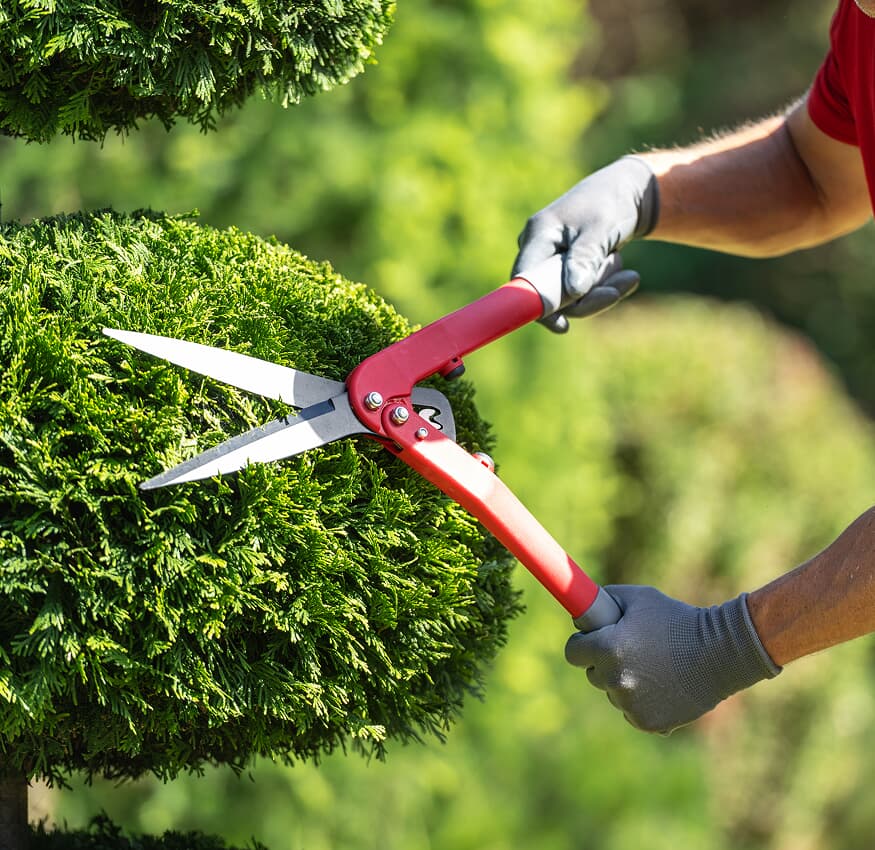
If you would like a professional view on your current tree and shrub layout, or you are planning a new development and want to get it right from the start, Nature Landscapes can support you with site assessments, planting recommendations and long-term maintenance planning tailored to Singapore’s climate and regulations.