
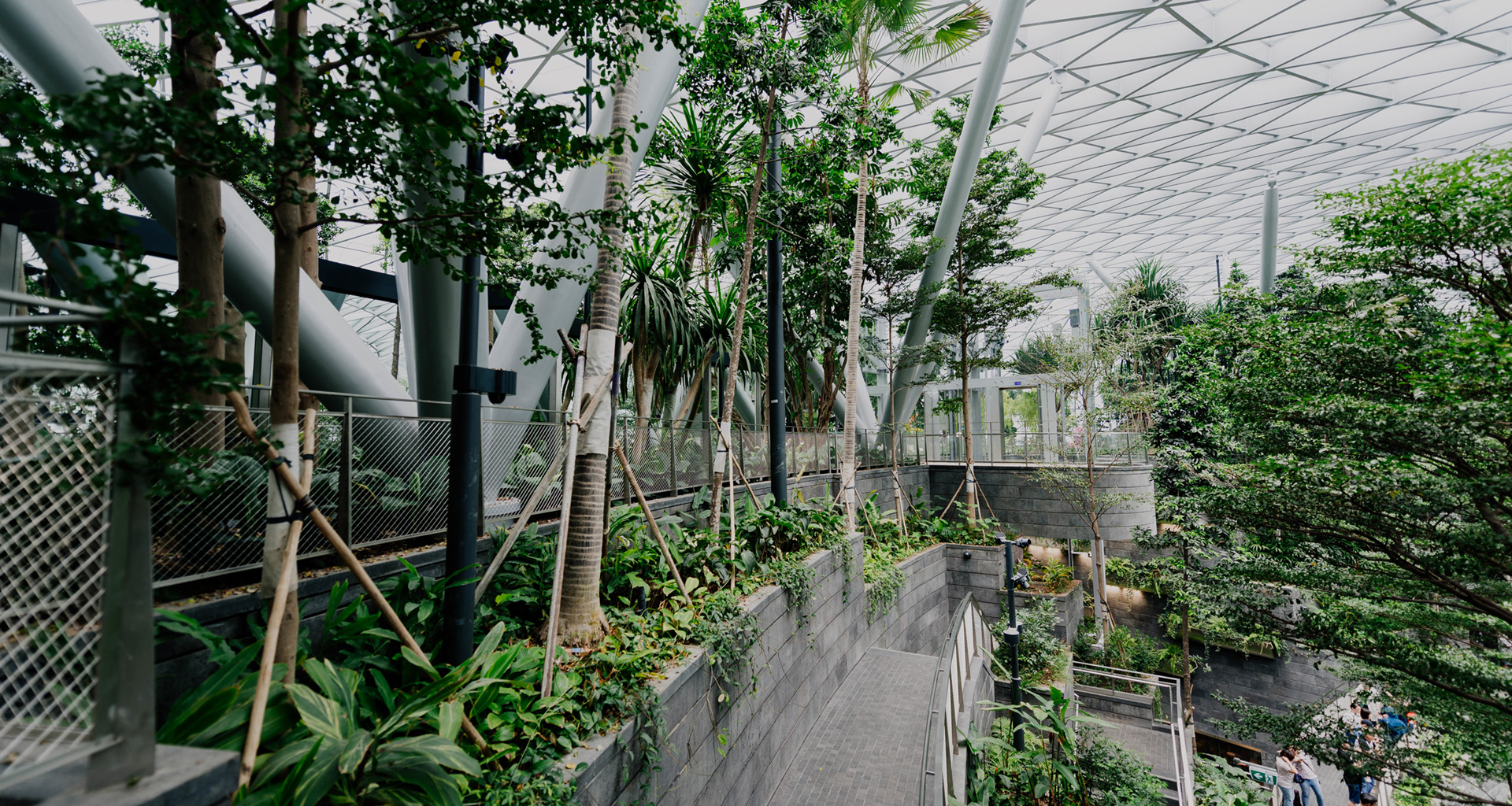
Choosing native plants helps landscapes thrive naturally with less water, less fertiliser and less maintenance.
Native species are already adapted to our heat, humidity and monsoon rains, and they provide essential habitat and food for local wildlife such as butterflies, birds and bees. Whether you’re designing a condominium courtyard, a roadside verge or a corporate campus, these plants anchor the space in Singapore’s living ecology, while keeping it lush and enduring year-round.
Here are just a few benefits of incorporating native plants into landscape projects:
Below are more than 20 proven native and near-native species, grouped by plant type, from towering shade trees to hardy groundcovers.
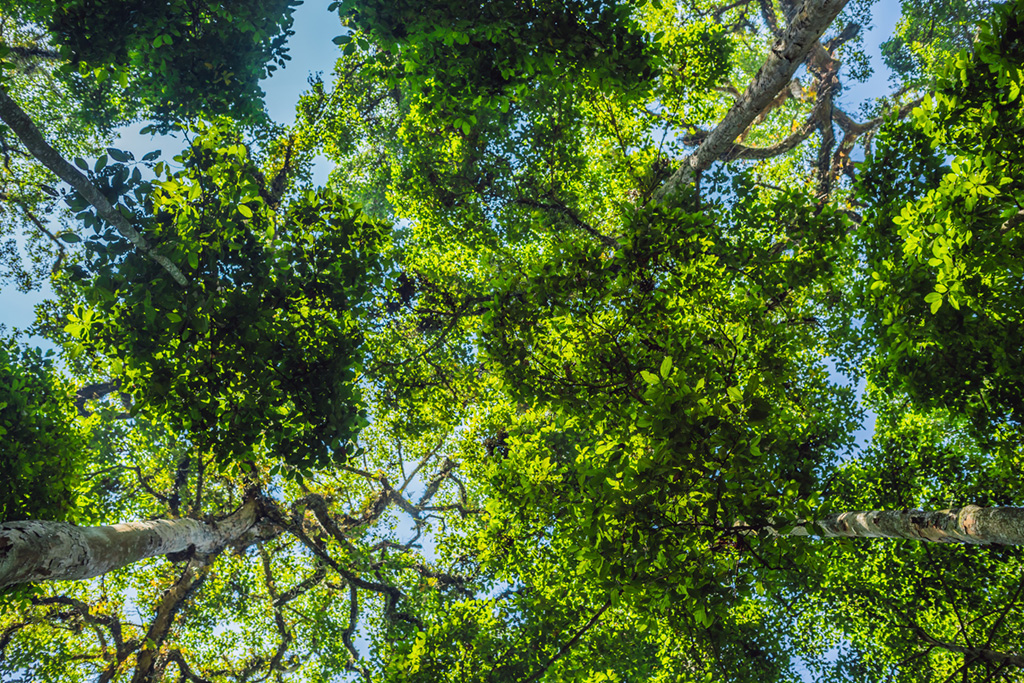
| Plant | Highlights |
|---|---|
|
Angsana (Pterocarpus indicus) |
Iconic avenue tree with cascading branches and golden blooms after dry spells. Fast-growing, broad shade canopy — excellent for boulevards or open lawns. |
|
Tembusu (Cyrtophyllum fragrans) |
Heritage tree known for its deeply fissured bark and fragrant flowers. Extremely hardy and long-lived. |
|
Yellow Flame (Peltophorum pterocarpum) |
Spreading umbrella crown with brilliant yellow flowers that brighten any streetscape. |
|
Jelutong (Dyera costulata) |
Straight trunk and light canopy; striking specimen for lawns or civic plazas. |
|
Sea Apple (Syzygium grande) |
Coastal-tolerant evergreen with white pom-pom flowers pollinated by bats; glossy foliage suits waterfront projects. |
|
Common Pulai (Alstonia angustiloba) |
Slim form and fragrant flowers, ideal for tighter planting strips. |
|
Pink Mempat (Cratoxylum formosum) |
Often called the “tropical cherry blossom” — crowns blush pink after a dry spell followed by rain. |
|
Red Saraca (Saraca declinata) |
Showy orange-red blooms that attract sunbirds; thrives beside water features or ponds. |
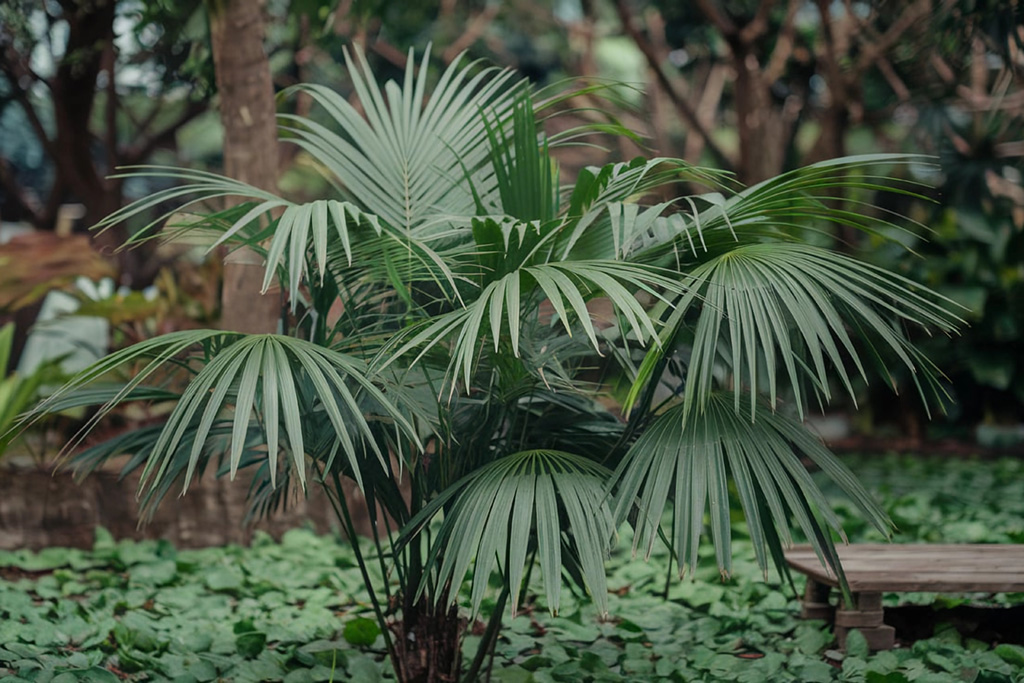
| Plant | Highlights |
|---|---|
| Nibong Palm (Oncosperma tigillarium) | Multi-stemmed, spiny native palm that tolerates flooded conditions — perfect for wetlands or lake edges. |
| Fragrant Screw Pine (Pandanus odorifer) | Distinctive prop roots and fragrant male flowers; great for bioswales or as screening near the sea. |
| Variegated Screw Pine (Pandanus tectorius ‘Thornless’) | Compact, cream-striped leaves for instant tropical accent in planters and podiums. |
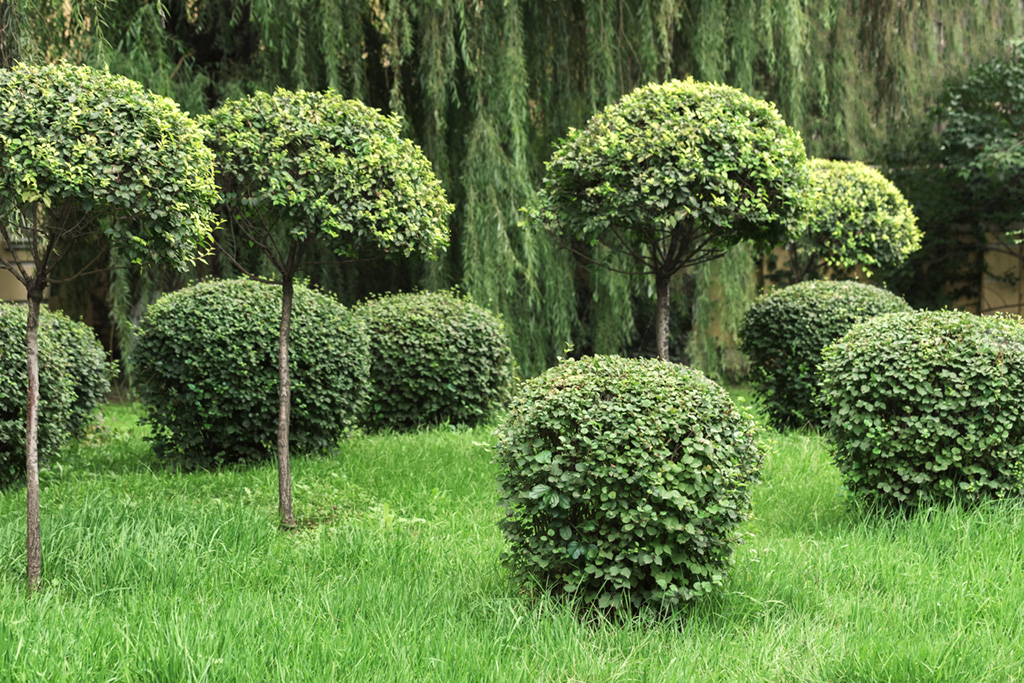
| Plant | Highlights |
|---|---|
| Singapore Rhododendron (Melastoma malabathricum) | Hardy pioneer with vivid magenta flowers; grows even on poor soils and attracts butterflies. |
| Malayan Ixora (Ixora congesta) | Dense hedge shrub with coral-red clusters; hosts the Knight butterfly. |
| Sea Hibiscus (Hibiscus tiliaceus) | Yellow flowers that turn red by evening; salt-tolerant and excellent for playground or coastal edges. |
| Simpoh Air (Dillenia suffruticosa) | Fast-growing shrub for slope stabilisation; large pleated leaves and bright yellow flowers. |
| Yellow Saraca (Saraca thaipingensis) | Smaller cousin of Red Saraca, with cheerful yellow-orange inflorescences. |
| Elephant Apple (Dillenia indica) | Bold foliage and ornamental fruit; suits eco-parks and nature-play zones. |
| Bandicoot Berry (Leea indica) | Elegant foliage with white flowers and bird-attracting red berries; ideal for screening or semi-shade planting. |
| Red Leea (Leea rubra) | Scarlet flowers and stems that add vibrant contrast in sunny courtyards. |
| Plant | Highlights |
|---|---|
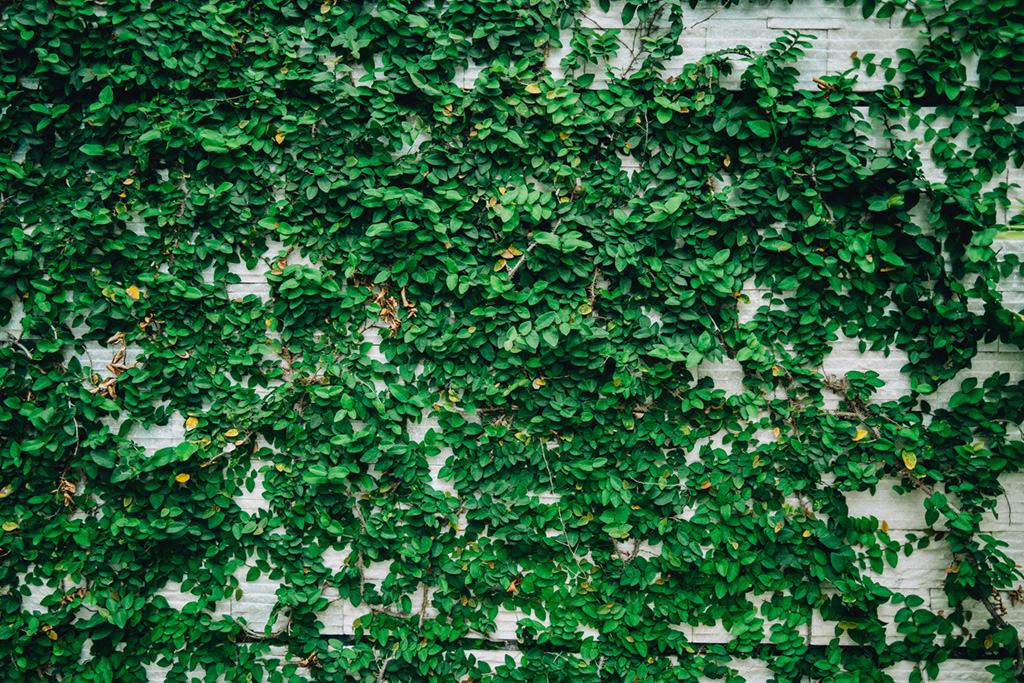
| Maiden’s Jealousy (Tristellateia australasiae) | Cheerful yellow flowers and glossy leaves — quick cover for pergolas, fences and trellises. |
| Wax Plant (Hoya diversifolia) | Succulent vine with pink, starry clusters and sweet fragrance; thrives on trellises or green walls. |
| Fireweed (Tetracera indica) | Sun-loving climber with white flowers and coppery new shoots; attracts pollinators. |
| Plant | Highlights |
|---|---|
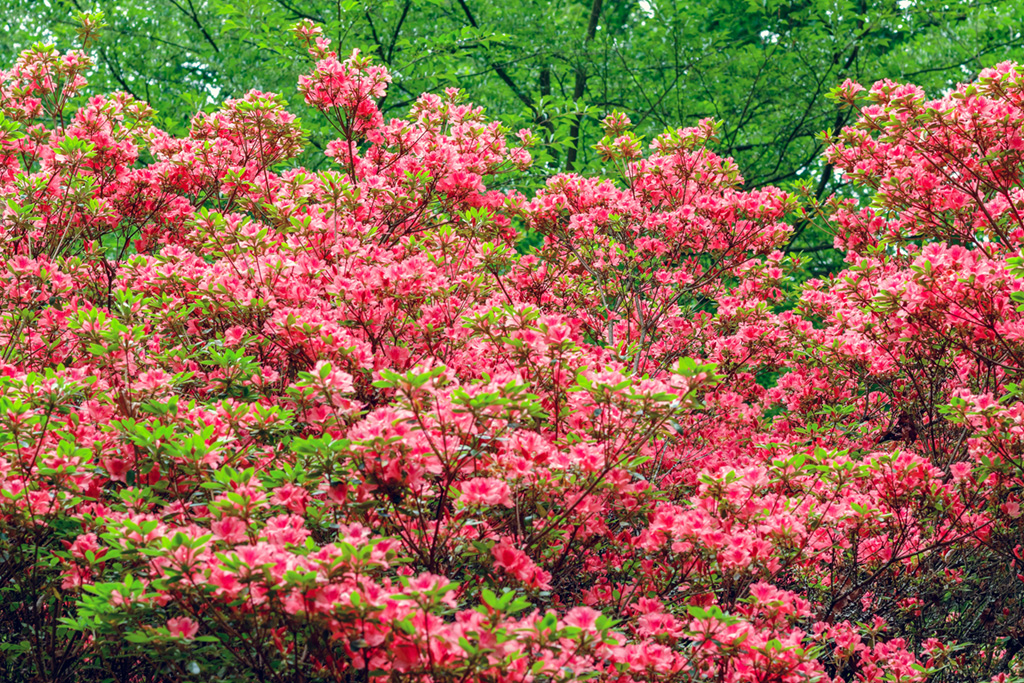
| Bamboo Orchid (Arundina graminifolia) | Clumping orchid with pink-white blooms almost all year; tolerates full sun and moist soils. |
| Crepe Ginger (Cheilocostus speciosus) | Spiralling stems and white frilled flowers; tolerates wet, sunny spots — great for screening or naturalistic beds. |
| Plant | Highlights |
|---|---|
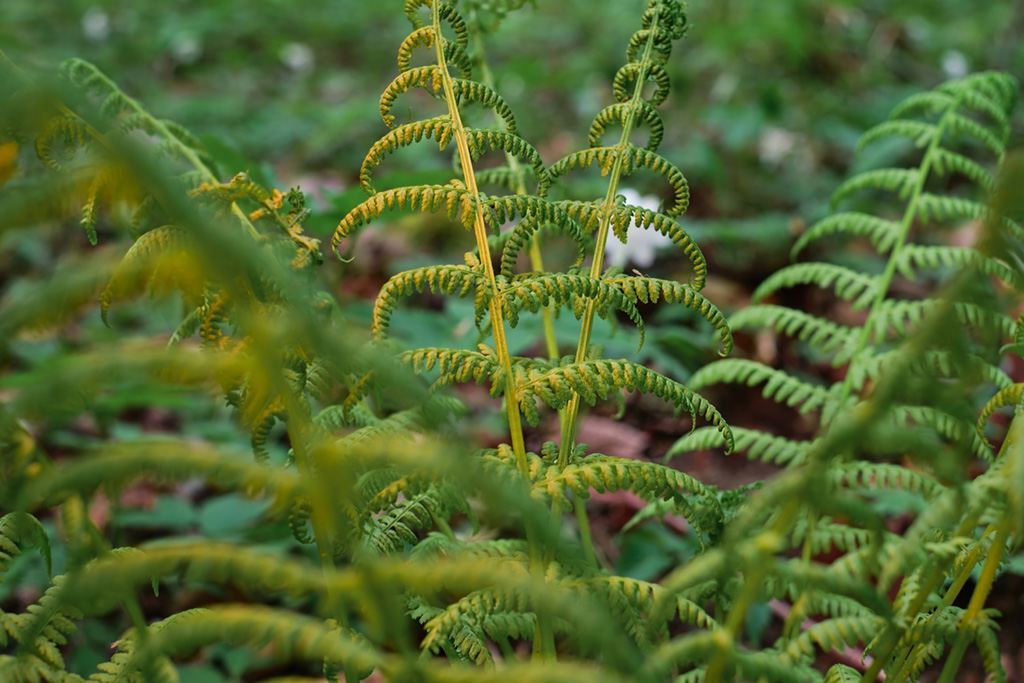
| Pigeon Orchid (Dendrobium crumenatum) | Bursts into white, fragrant bloom after rain; perfect on mature trees. |
| Bird’s Nest Fern (Asplenium nidus) | Structural rosettes that trap moisture and leaf litter — a favourite for understorey and vertical gardens. |
| Plant | Highlights |
|---|---|
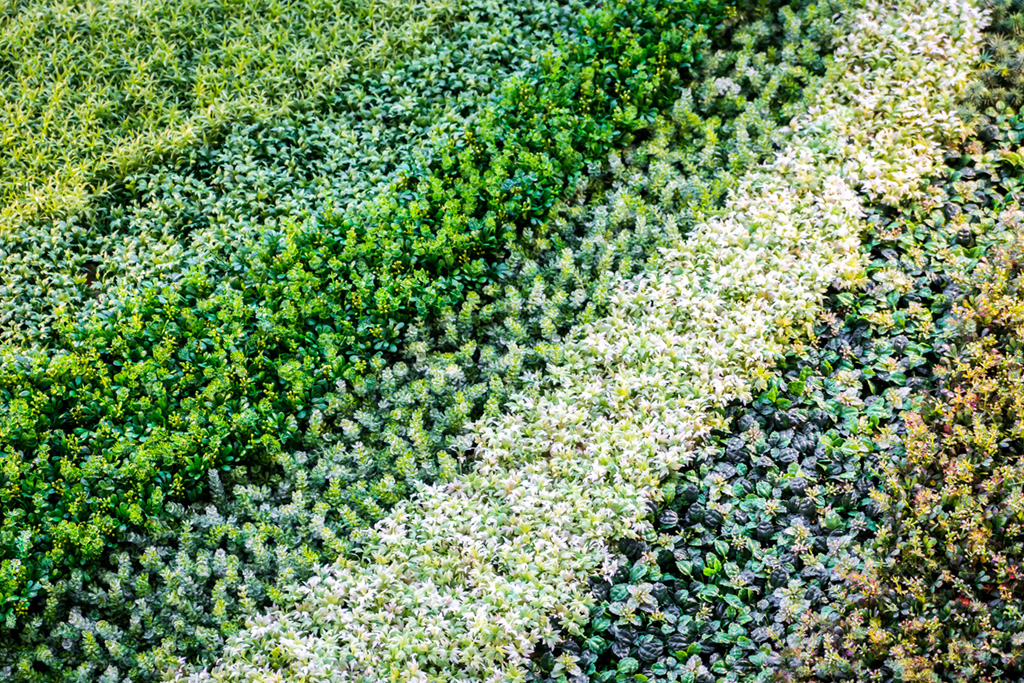
| Grona triflora (Desmodium triflorum) | Hardy, low-growing legume that fixes nitrogen and tolerates foot traffic. |
| Shiny Bush (Peperomia pellucida) | Edible, medicinal, and thrives in moist shade — perfect for suppressing weeds beneath shrubs. |
While planting can be done year-round, starting at the onset of the Northeast Monsoon (Nov–Jan) reduces irrigation needs during establishment.
Most natives thrive in our clay-rich soils; for rooftop or planter boxes, mix 10–20% compost with coarse sand for drainage.
Once established, they need water only during prolonged dry spells (typically in Feb–Mar or June).
Mix heights and flower colours to ensure continuous nectar and fruit — feeding birds, bats and beneficial insects.
Species like Simpoh Air or Sea Hibiscus benefit from light annual pruning to maintain shape and encourage new growth.
Designing with native plants doesn’t mean limiting creativity. It means working with nature, not against it. By layering canopy trees, mid-storey shrubs, climbers and groundcovers, you’ll create a self-sustaining ecosystem that’s uniquely Singapore.
From the regal Tembusu to the humble Grona triflora, each native species adds depth, resilience and authenticity to the landscape, proving that sustainable design can also be beautifully lush.