
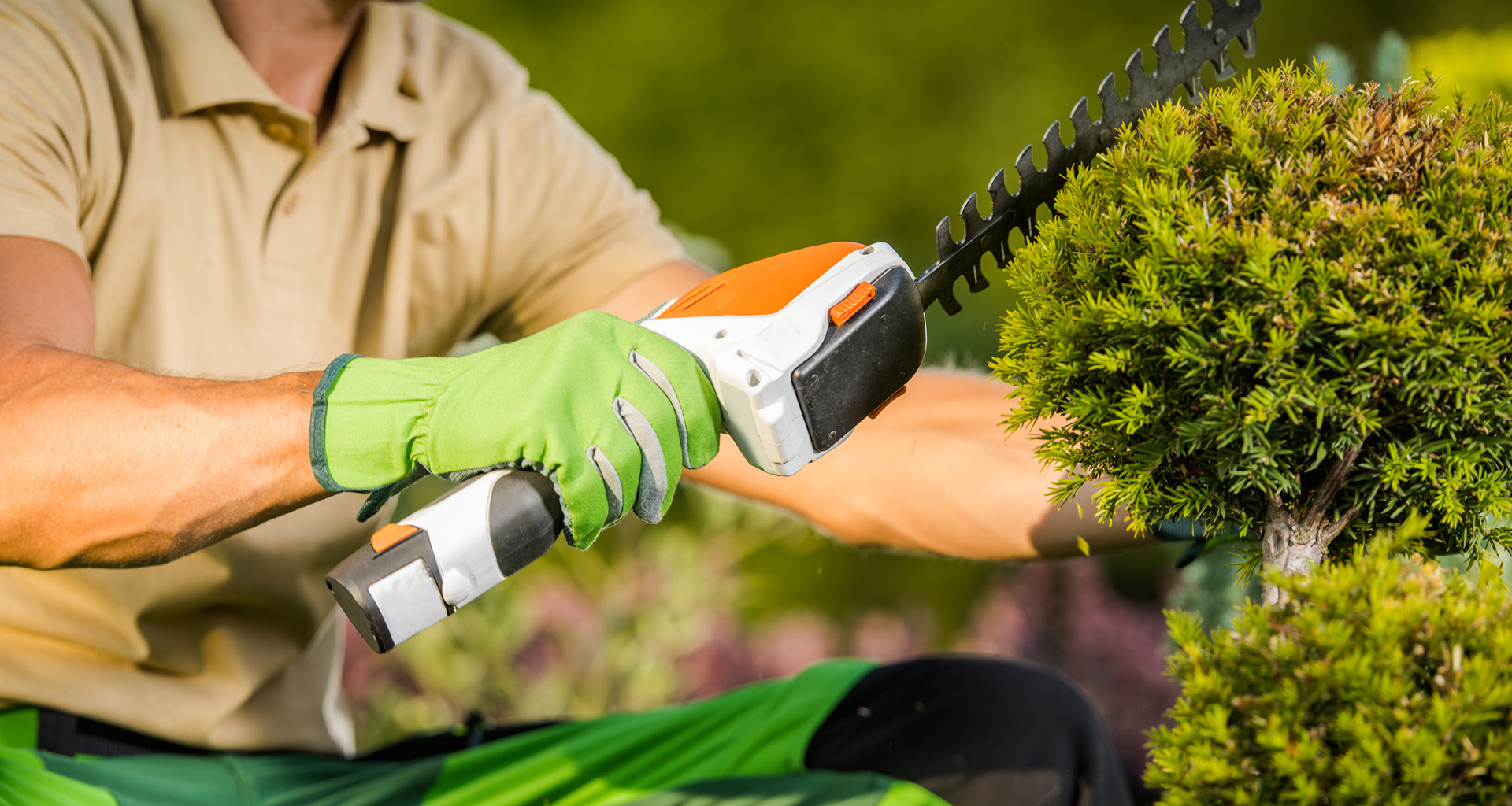
From HDB estates and commercial developments to public parks and business parks, maintaining these landscapes requires skilled care and careful budgeting. But what truly drives the cost of commercial landscape maintenance in Singapore?
At Nature Landscapes, we’ve spent decades working with property developers, government agencies, and facility managers to create and maintain high-quality, sustainable landscapes. Here are seven key factors that affect costs and how you can manage them effectively.
The size and complexity of your property are major cost drivers. A large, open sports field can often be maintained more quickly and efficiently than a property with smaller, scattered green pockets.
In high-density urban developments, greenery often takes the form of rooftop gardens, vertical greenery, or planter boxes on multiple levels. These require extra time, specialised equipment and skilled labour.
When planning your budget, consider not just the total square footage but also accessibility. For example, maintaining a lawn in a business park in Jurong is less complex than managing greenery spread across balconies and courtyards in a CBD development.
The services you require—and how often they’re performed—directly affect your costs. A basic maintenance package covering mowing, pruning, and fertilisation will cost less than a full-service plan that includes irrigation system checks, pest control, and seasonal planting.
In Singapore’s tropical climate, plants grow quickly year-round, which often necessitates weekly or even more frequent care. During monsoon seasons, extra visits may be needed for clearing fallen leaves, preventing waterlogging, or addressing pest issues.
Customised service schedules based on the unique requirements of your property help ensure resources are used effectively and cost-efficiently.
The current condition of your landscape has a big impact on maintenance costs. Well-maintained properties require less time and effort to keep them looking good. However, if a site has been neglected—overgrown plants, clogged drains, poor soil health, or pest infestations—additional labour and treatments will be needed upfront to bring it to a manageable condition.
In Singapore, where heavy rains can quickly lead to flooding or waterlogging, neglected drainage systems or overgrown shrubs can be both costly and hazardous. A one-time restoration effort may be required before a regular maintenance plan can be implemented.
The choice of plants greatly influences long-term maintenance costs. Native and climate-resilient species like tembusu, sea hibiscus, or melastoma thrive naturally in Singapore’s tropical environment. They require less water, fertiliser, and pest control while being more resilient to local pests and diseases.
Exotic or high-maintenance plants, on the other hand, often need special care, increasing both labour and material costs. A proactive plant health programme—covering inspections, pest prevention, and soil treatments—can help reduce costly replacements and ensure healthy landscapes year-round.
The purpose and visibility of your property significantly affect maintenance priorities. High-visibility sites—such as luxury hotels, retail malls, or resorts—require more frequent attention to detail. Seasonal floral displays, meticulous pruning, and detailed horticultural care are often needed to achieve a polished look.
Conversely, industrial areas or back-of-house landscapes may focus on low-maintenance turf and shrubs to minimise costs. For public-sector properties such as HDB estates or NParks-managed spaces, compliance with landscaping and safety guidelines is also an important cost factor.
Labour is one of the largest components of landscaping costs in Singapore. Rising wages, foreign worker levies, and manpower regulations contribute to higher expenses. However, experienced and well-trained horticulturists provide better long-term value by preventing costly mistakes and delivering higher-quality results.
At Nature Landscapes, we invest in continuous training and professional development to ensure our teams consistently deliver the best care for every property.
Singapore’s tropical climate presents unique challenges that impact maintenance schedules and costs. Heavy rains can cause waterlogging, soil erosion, and fungal lawn diseases, while dry spells require efficient irrigation systems to prevent plant stress.
Year-round warmth also means faster turf and plant growth, requiring more frequent mowing and pruning. Proactive planning, such as proper drainage systems, weather-adaptive scheduling, and integrated pest management, helps manage these challenges effectively.
Property owners and facility managers can optimise their landscape budgets with these strategies:
At Nature Landscapes, we believe a well-maintained landscape is more than just aesthetic. It’s an investment in property value, community well-being and environmental sustainability. With decades of experience across commercial, residential and public-sector projects, we create customised maintenance plans that deliver quality and cost-efficiency.
Contact us to schedule a consultation with our expert team today.